The Perfect Place for Cuban Treats in Aurora CO
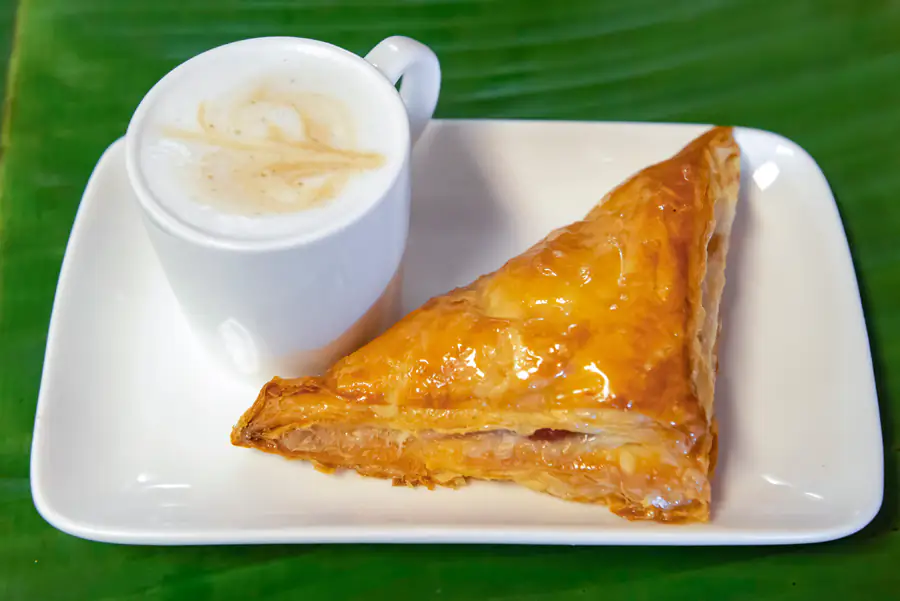
Aurora has never been a one-note food city. It is the kind of place where a weekend errand can turn into a serious meal, where one strip mall might hold Ethiopian coffee, Vietnamese noodles, Mexican pan dulce, and a family-run bakery turning out pastries with the sort of care that only comes from repetition and pride. That is part of what makes the search for the right Cuban bakery Aurora CO experience so interesting. You are not just looking for something sweet. You are looking for a place that understands balance, texture, timing, and tradition.
Cuban baked goods and café fare have a particular personality. They are comforting without being heavy-handed, sweet without always tipping into excess, and deeply social by nature. A good pastelito is not just a pastry. It is breakfast on the go, an afternoon pause, something to bring to the office, or a small peace offering when you show up a few minutes late to a family gathering. A proper café con leche is more than coffee with milk. It is ritual, pacing, and aroma. In the right setting, these simple foods carry a surprising amount of memory.
Finding the perfect place for Cuban treats in Aurora means paying attention to details that many people miss at first bite. Freshness matters. So does restraint. So does the confidence to keep classics recognizable rather than dressing them up into something they were never meant to be. The best bakeries do not need to overexplain themselves. Their display case does the work.
What people are really looking for in a Cuban bakery
When someone says they want a Cuban bakery, they are rarely asking for only one thing. Usually they want a combination of experiences. They want a flaky guava pastry that leaves a few crisp shards on the plate. They want savory options too, maybe a ham croquette with a delicate crunch or a Cuban sandwich on bread that has the right structure, crisp outside and light inside. They want to smell butter, sugar, espresso, and warm bread the second they walk through the door.
That mix of expectations creates a high bar. Cuban baking is not fussy food, but it is exacting food. The dough for pastelitos cannot be tired or soggy. Fillings need enough flavor to stand up to pastry, but not so much sugar or salt that every piece tastes blunt. Even something as straightforward as Cuban bread asks for judgment. It should not eat like generic sandwich loaf, and it should not be so crusty that it shatters before the first bite. There is a narrow lane where it feels right.
In Aurora, where diners have access to so many strong food traditions, that standard matters even more. People are used to comparing quality across neighborhoods and cuisines. A bakery cannot survive on novelty for long. It has to earn repeat visits. The places that do are the ones that understand that familiarity is not the same as complacency. They make classics with discipline.
The pastries that separate an average shop from a memorable one
The easiest way to judge a Cuban bakery is to start with the https://elliottepir636.quillnesty.com/posts/sweet-and-savory-choices-at-cuban-bakery-aurora-co pastry case. It tells you almost everything. Not because every item has to be perfect at every hour, but because the selection reveals the bakery’s priorities.
A strong case usually includes guava pastries, guava and cheese pastries, meat-filled options, and a few cakes or cookies that show another side of the kitchen. The first test is visual. Pastry should look lively, with visible layers and a light sheen rather than a wet, collapsed surface. Guava filling should be present enough to matter, but not leaking in a way that suggests the balance is off. Cheese should complement the fruit, adding tang and body.
Then there is texture, the part many shops get almost right but not fully right. A proper pastelito should offer contrast. The outer shell needs lift and delicacy, while the center holds warmth and softness. If every bite feels uniformly dense, the dough has likely sat too long, or the lamination never developed properly. If it shatters into dryness with little flavor, the butter level, proofing, or bake time may have missed the mark.
Savory pastries deserve the same scrutiny. Meat fillings should be seasoned and moist, but never greasy enough to soak the pastry from the inside. Ham and cheese combinations should feel intentional rather than convenient. In good bakeries, even simple items have shape and definition. You can taste the hand behind them.
One practical sign of quality is turnover. Cases that are actively replenished tend to produce the best experience, especially for puff pastry items. It is one thing for a bakery to know how to make a beautiful batch at 6 a.m. It is another to maintain quality through late morning and lunch. Bakers and counter staff who understand demand, who know when to refresh a tray and when to let an item sell out, often deliver a much better product than businesses that overproduce and hold everything too long.
Coffee is not an extra, it is part of the standard
A Cuban bakery without good coffee feels incomplete. This is not a side note. It is part of the architecture of the visit. Sweet pastries need the dark edge of espresso. Rich croquettes and sandwiches need that same sharp counterweight. Even people who usually take coffee casually tend to notice when a bakery gets this right.
Café con leche should be smooth, hot, and fragrant, with enough coffee presence to carry through the milk. It should not taste watery, and it should not feel as though sweetness is being used to hide a weak pull. Cortadito, for those who prefer a smaller and more intense cup, should deliver clarity and punch. The foam, the temperature, and the timing all matter more than many shops admit.
I have seen bakeries win customers on coffee alone while their pastry program was merely decent. I have also seen the reverse, beautiful pastries dragged down by burnt espresso and inattentive service. The strongest spots know that the two sides of the menu support each other. They train for both.
If you are deciding whether a place has real staying power, visit once in the morning rush and once at a quieter hour. Morning shows whether the team can handle volume without losing composure. A slower period reveals whether standards hold when there is less pressure and less adrenaline. Good coffee service looks different at those times, but quality should remain steady.
Cuban treats are about timing as much as ingredients
This is a point people often overlook. The same bakery item can be forgettable at the wrong moment and excellent at the right one. Freshly baked pastries have a window where their texture is at its peak. Sandwich bread can be perfect at lunch and less compelling late in the day. Fried items such as croquettes or empanadas can lose their edge quickly if they sit under heat too long.
That is not a flaw unique to Cuban bakeries. It is simply the reality of foods built on contrast. Crisp and tender only coexist for so long. The best bakeries manage this reality honestly. They do not mask it with gimmicks. They either produce in smaller batches or guide customers toward what is strongest at the moment.
For customers in Aurora, that means a little strategy helps. If your goal is the best possible pastry selection, earlier is usually better. If you are after sandwiches or a more relaxed café stop, late morning can be ideal. If you are ordering for a group, calling ahead often makes the difference between getting exactly what you want and settling for substitutions.
Here are a few signs that a bakery takes timing seriously:
- Trays are restocked in measured batches rather than piled high for display.
- Staff can tell you what came out recently and what is likely to sell out soon.
- Fried or toasted items are finished to order when possible.
- Coffee service stays active instead of feeling like an afterthought after breakfast.
- Popular items are consistent enough that regulars know when to come for them.
Those details sound small, but they add up to trust. Once customers trust that a bakery respects timing, they return more often and buy more confidently.
The role of bread, and why sandwiches expose a bakery’s standards
Pastries get the attention, but bread is often the deeper test. If a bakery makes Cuban sandwiches, medianoche, or breakfast sandwiches, the bread becomes impossible to hide behind. Fillings can only do so much. The structure underneath has to carry the meal.
Cuban bread is deceptively simple. Done well, it has a light crumb, a thin but meaningful crust, and enough resilience to stand up to pressing without turning leathery. It should compress, toast, and still eat cleanly. When bread misses the mark, sandwiches become all compromise. Too soft, and the interior turns mushy once mustard, pickles, roast pork, or ham go in. Too tough, and every bite pulls ingredients apart.
A good bakery treats sandwiches as a continuation of the baking program, not a separate line item. That matters because many customers discover a place through lunch first, then return for pastries later. If the sandwich is excellent, the pastry case gains instant credibility. If the bread disappoints, the entire brand feels less convincing.
This is especially relevant in a market like Aurora, where diners know their sandwiches. People here are not shy about choosing one neighborhood spot for bread, another for pastries, and another for coffee if they have to. A Cuban bakery that wants to become a regular stop has to perform across categories, even if one side of the menu is clearly the specialty.
Why atmosphere matters more than people think
Food quality comes first, but atmosphere has real weight in bakeries. A Cuban bakery should feel active and welcoming, not stiff. That does not mean loud or chaotic. It means lived-in, with enough rhythm to suggest regulars are part of the place. The best bakeries invite short visits and long ones equally well. You can step in for a pastry to go, or stay a little while over coffee and conversation.
There is a specific comfort in a room where people know what they came for. One person orders croquetas and coffee before work. Another leaves with a pastry box for an office meeting. A family debates which sweets to take home. Those interactions create a kind of confidence that no carefully staged interior can fake.
At the same time, professionalism matters. Warmth should not come at the expense of order. Cases should be clear, items labeled well enough for newcomers, and service should move with purpose. This is one area where experienced bakery operators stand out. They understand that many customers are encountering the food for the first time and need a little orientation, while regulars want speed. Serving both groups well is a skill.
For someone searching online for a Cuban bakery Aurora CO destination, this balance is often what turns a one-time visit into a habit. People remember how a place made them feel almost as much as they remember the pastry they ate there.
What to order if you want to judge a bakery fairly
There is no single perfect order, but some combinations reveal more than others. If I want a read on a bakery in one visit, I look for a sweet pastry, a savory bite, and a coffee. That gives a broad enough picture to catch strengths and weaknesses.
A practical tasting approach looks like this:
- A guava pastry or guava and cheese pastelito for sweetness and lamination
- A croquette or savory pastry for seasoning and texture
- A café con leche or cortadito for balance and beverage quality
- A bread-based item, if available, to judge structure and freshness
- One item that looks like a house favorite, because regular demand often points to the kitchen’s strongest work
This kind of order helps because bakeries can excel in one lane while lagging in another. Some are exceptional at pastries but average at coffee. Others produce excellent sandwiches yet treat sweets as supporting players. Knowing which category matters most to you can shape whether a bakery becomes an occasional stop or a standing favorite.
The difference between authentic spirit and rigid nostalgia
People use the word authentic loosely, and it can become more obstacle than guide. In practice, the best Cuban bakeries are often authentic in spirit rather than frozen in a museum version of the past. They respect foundational flavors, techniques, and combinations, but they also understand where they are. Aurora is diverse, practical, and open to cross-cultural dining habits. A bakery can honor Cuban traditions while serving the rhythms of Colorado life.
That might mean packaging more items for takeout because customers are fitting breakfast into a commute. It might mean refining coffee service to meet a broad audience while preserving Cuban standards. It might even mean adjusting production to account for local demand patterns, weather, or ingredient availability, without compromising the soul of the product.
The key distinction is whether adaptation improves the experience or waters it down. Swapping quality for convenience usually shows up fast on the plate. But thoughtful adaptation, better holding practices, cleaner service flow, clearer labeling, can make traditional foods more accessible without stripping away character.
Customers tend to recognize that instinctively. They may not describe it in technical terms, but they know when a bakery feels rooted rather than themed.
Why Cuban treats work so well in Aurora
Aurora is a city built around movement. People drive between neighborhoods, commute in different directions, and build routines around practical stops that deliver pleasure without demanding a whole evening. Bakeries fit that pattern especially well. Cuban bakeries fit it even better because their menus meet so many everyday needs at once.
A single visit can cover breakfast, coffee, lunch, and something to bring home. That range is more valuable than it sounds. Not every food business can serve a quick solo customer, a parent with kids, and an office worker grabbing a dozen pastries for a meeting. A strong bakery can.
There is also a social generosity to Cuban treats that suits Aurora. Pastries are easy to share. Sandwiches feel hearty but not fussy. Coffee creates its own pause in the day. In a city where people come from many backgrounds, these foods travel well across taste preferences. Someone who has never been inside a Cuban bakery still understands the appeal of flaky pastry, good espresso, and warm bread.
That broad accessibility is one reason the right bakery can become a neighborhood anchor. It does not need a special occasion. It creates one out of ordinary time.
How the best bakery becomes part of your routine
The perfect place for Cuban treats is not necessarily the one with the flashiest menu or the longest case. More often, it is the one that proves itself through consistency. The pastry you loved last month tastes just as good this week. The coffee is hot and balanced. The bread is fresh. The staff can guide a first-time visitor without making the regular behind them wait forever.
Those are deceptively hard standards to maintain. Bakeries run on labor, timing, ingredient discipline, and early mornings. Quality can drift if ownership loses focus or if growth outpaces training. That is why consistency deserves more respect than novelty in this category. A bakery that nails the basics, day after day, earns loyalty the old-fashioned way.
If you are exploring options in search of the best Cuban bakery Aurora CO has to offer, pay attention to how the place functions as much as how it looks online. Cases can be staged for photos. Real quality reveals itself in the details, the crackle of pastry, the aroma of espresso, the clean layers of a sandwich, the steady pace of repeat customers coming in for exactly what they trust the bakery to do well.
When you find that place, you know quickly. You stop treating the visit like a food errand and start folding it into your week. One box of pastelitos becomes the thing you bring to family brunch. The same coffee order becomes part of your morning. A bakery moves from curiosity to habit.
That is the mark of the right spot. Not just that it serves Cuban treats, but that it serves them with enough care, familiarity, and conviction to become part of life in Aurora.
Cuba Bakery & Café
15028 E Mississippi Ave, Aurora, CO 80012
+1 303-752-2822
FAQ About Cuban bakery Aurora CO
What are Cuban pastries called?
Many small Cuban pastries are called pastelitos. They can have sweet or savory fillings, such as guava, cheese, guava and cheese, or seasoned meat. Cuba Bakery & Café lists guava, cheese, guava-and-cheese and beef pastries on its menu. Ask the bakery about current availability and ingredients when ordering.
What are traditional Cuban pastries?
Common Cuban bakery choices include flaky pastelitos filled with guava, cheese or meat. Cuban bakeries may also offer empanadas, breads and desserts alongside coffee. Cuba Bakery & Café lists pastelitos, several empanada fillings, pan Cubano and desserts such as tres leches and bread pudding. Selection can vary, so confirm the day's choices with the bakery.
What makes Cuban bread different?
Cuban bread is known for its light interior and a thin crust that becomes crisp when toasted or pressed. Traditional recipes often use lard, although ingredients vary by baker. It is commonly served as buttered toast or used for Cuban sandwiches. Cuba Bakery & Café lists pan Cubano and tostada on its menu; ask staff about the ingredients in their bread if you have dietary restrictions.